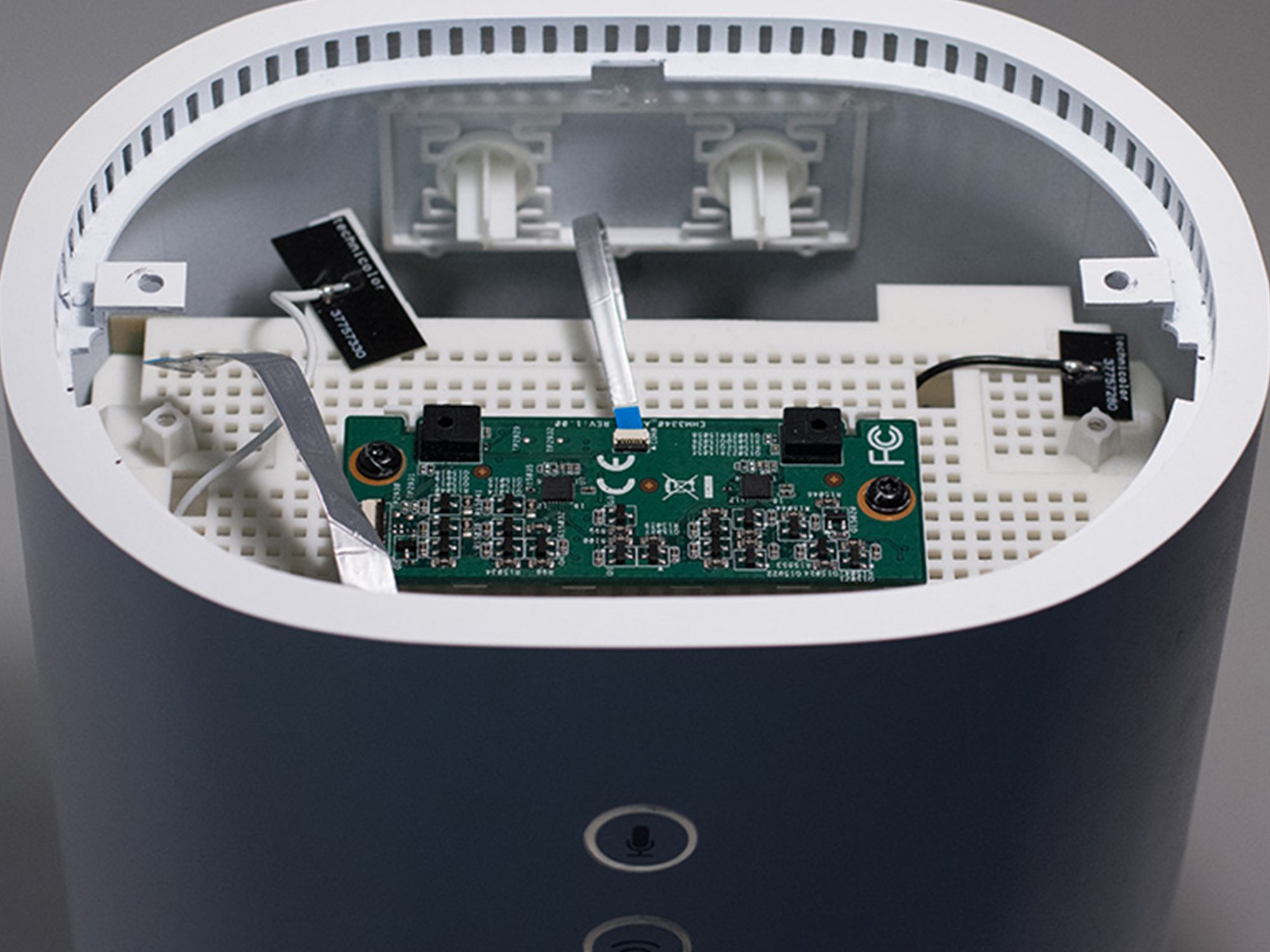
As Lead designer, I have directed diverse design processes for new and innovative products.
Here is a compilation of my last IoT projects’ key steps (in chronological order), including both design initiated programs and product management initiated programs.
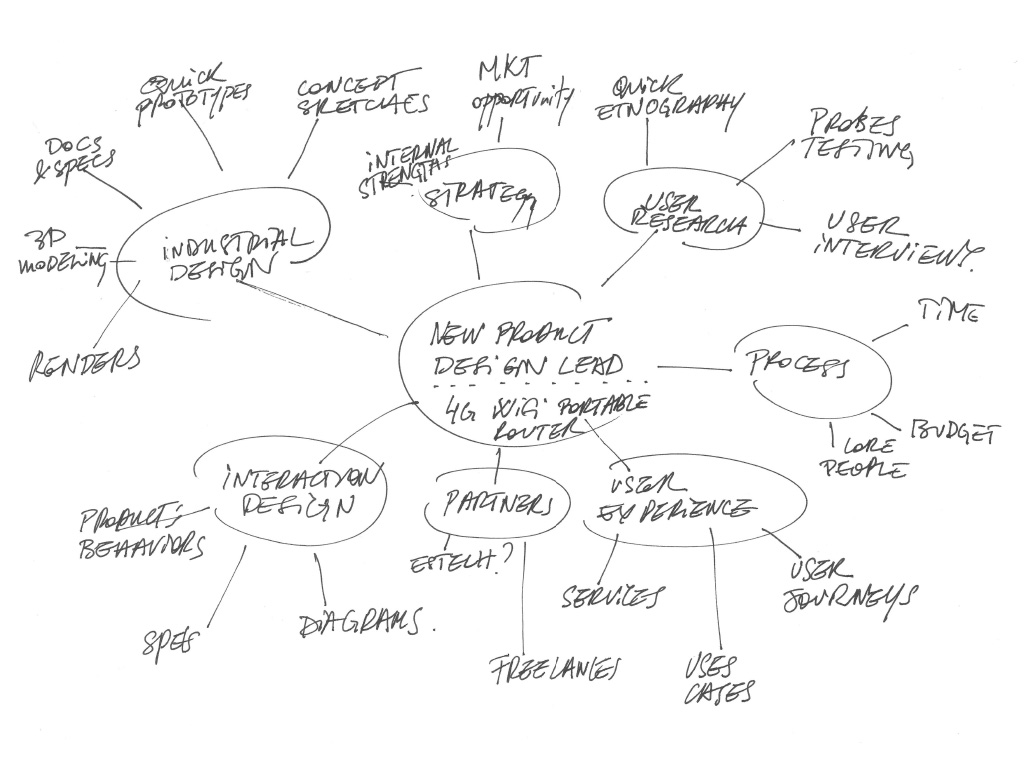
Strategy discussion.
Everytime I lead a design project, everything starts with a project’s stakeholders meeting for a strategic objectives review to get the big picture.

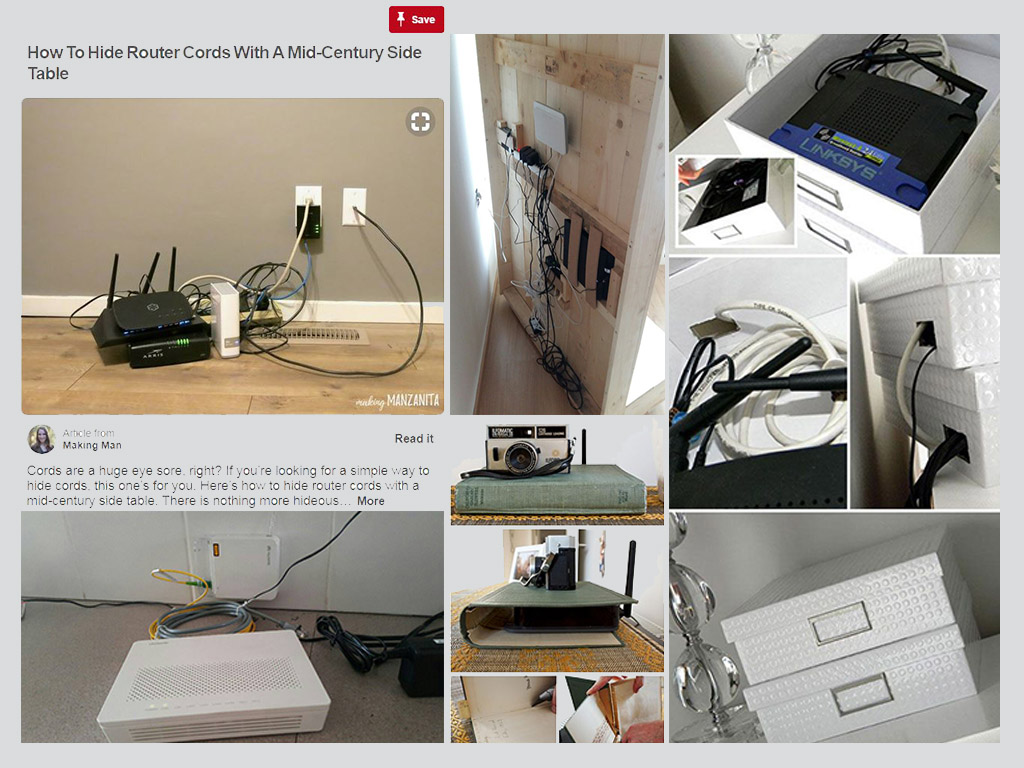
Preliminary on-field, social community and market investigations.
Truth is that the real life and field observation always help making evolve the initial brief.
I usually run this step with designers and user researchers if the subject needs deep and long investigations. (Here about the reality of router status at home)
User hands-on observation
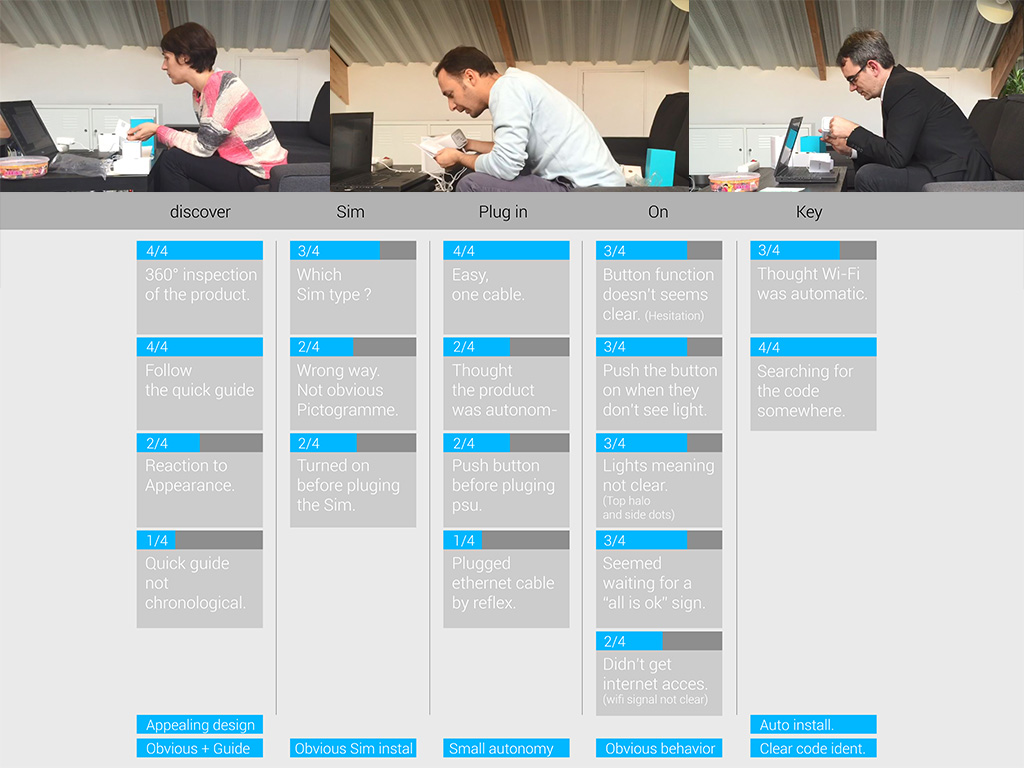
After buying the market area best competitor’s products, I usually lead a quick in-house or specific audience user research protocole, here about cognition & perception.
Junior designers usually help for the observation setup. Then we translate analytical observations into users’ problems synthesis.
User interviews
I usually complete previous research by running qualitative interviews to give potential users the opportunity to articulate their thoughts and feelings.
All the results, notes, movies, recordings and so on, are analyzed and synthetized on a simple graph, ranking the most recurrent ideas.

Brief evolution & definition.
Back to the meeting room, I discuss the research results with the stakeholders to make evolve and finalize the design brief.
Preliminary design led user research helps to complete and nurture other marketing and business investigations before going forward.
Design program (Preview)
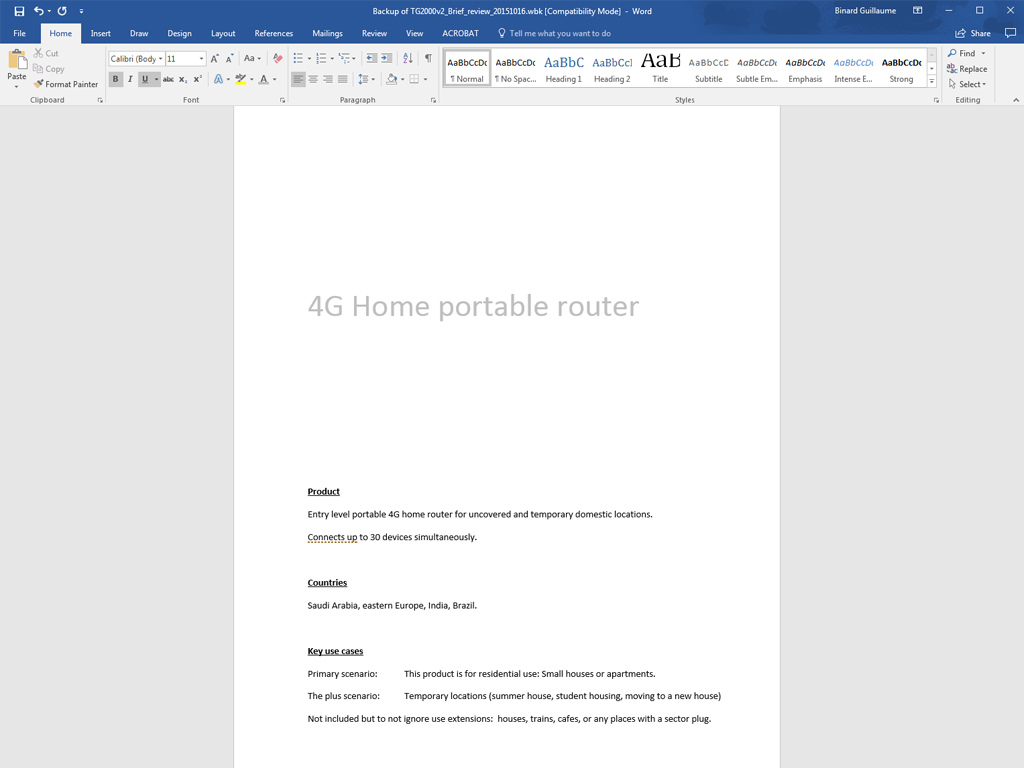
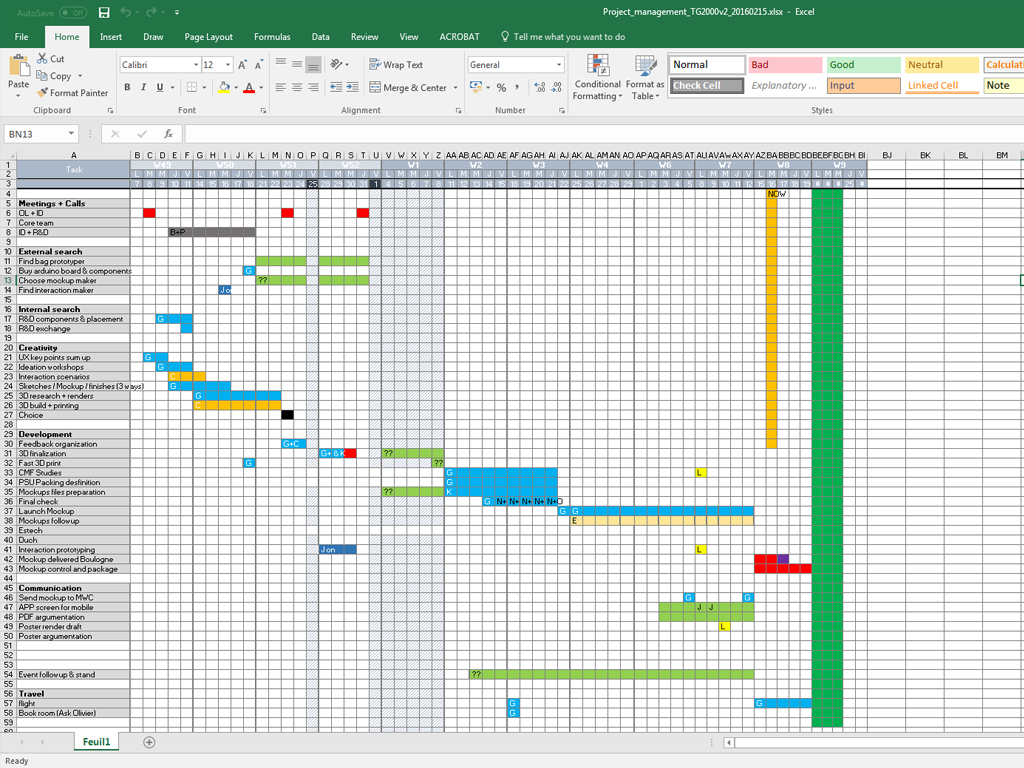
Once the objectives are clear, I set a design process that suits the project and refine it with the Design Office Manager to fix the design strategy and unlock budgets.
Defining key internal & external contributors, checking availability, practical means, key dates and steps to meet the goals.
Creative direction
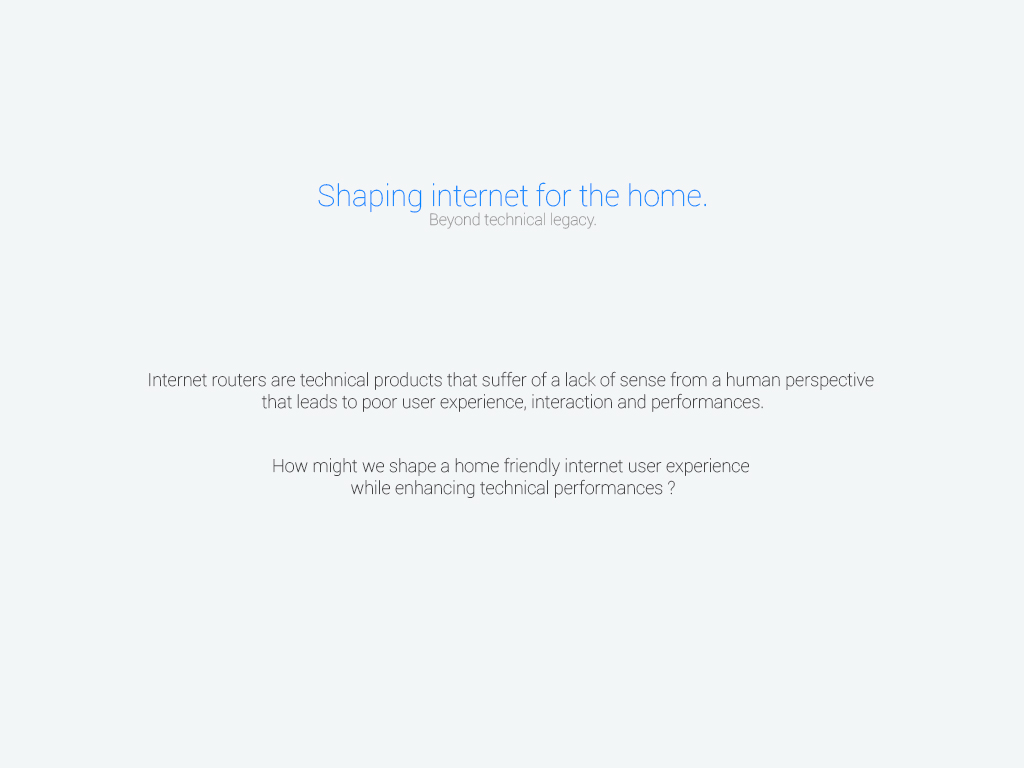
Clear ideas come easily with clear guidance. Guiding other creatives is key to outperform individual imagination.
I consider the subject’s wording & spectrum essential to drive forces while keeping space for creativity.
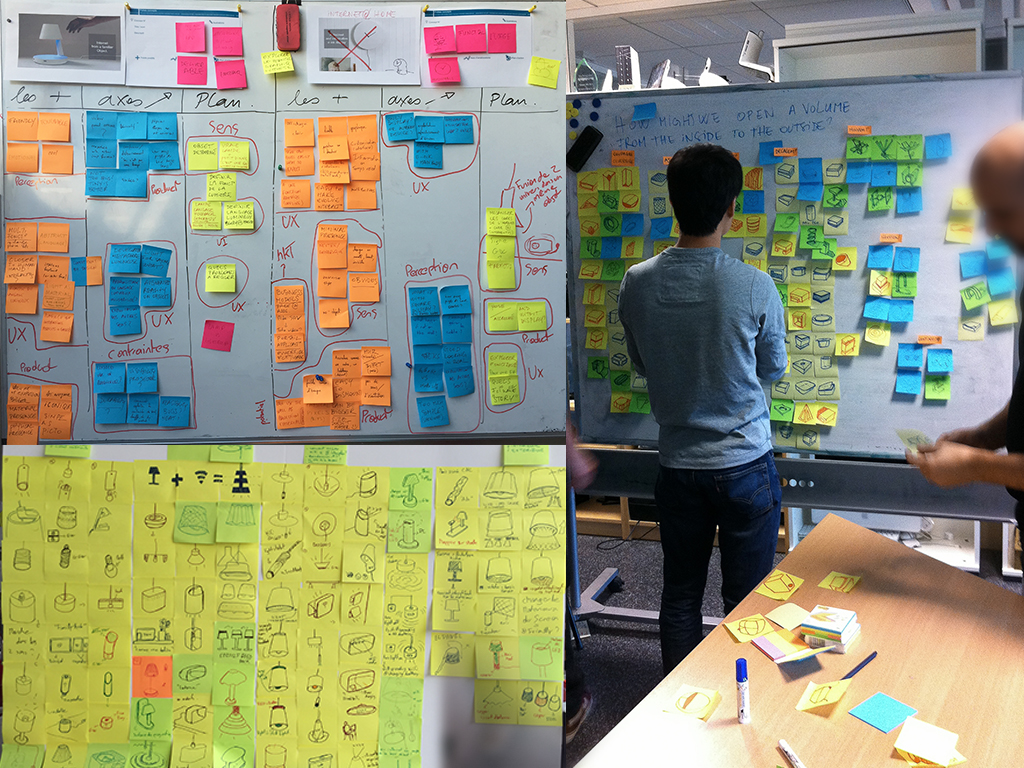
Creative workshops
The right question, the right people on the right place with the right tools to put their best ideas on the wall.
I demonstrated strong abilities in stimulating, re-arrange, organize, synthesize dozen to hundreds of ideas into the best concepts possible that need to be developed.
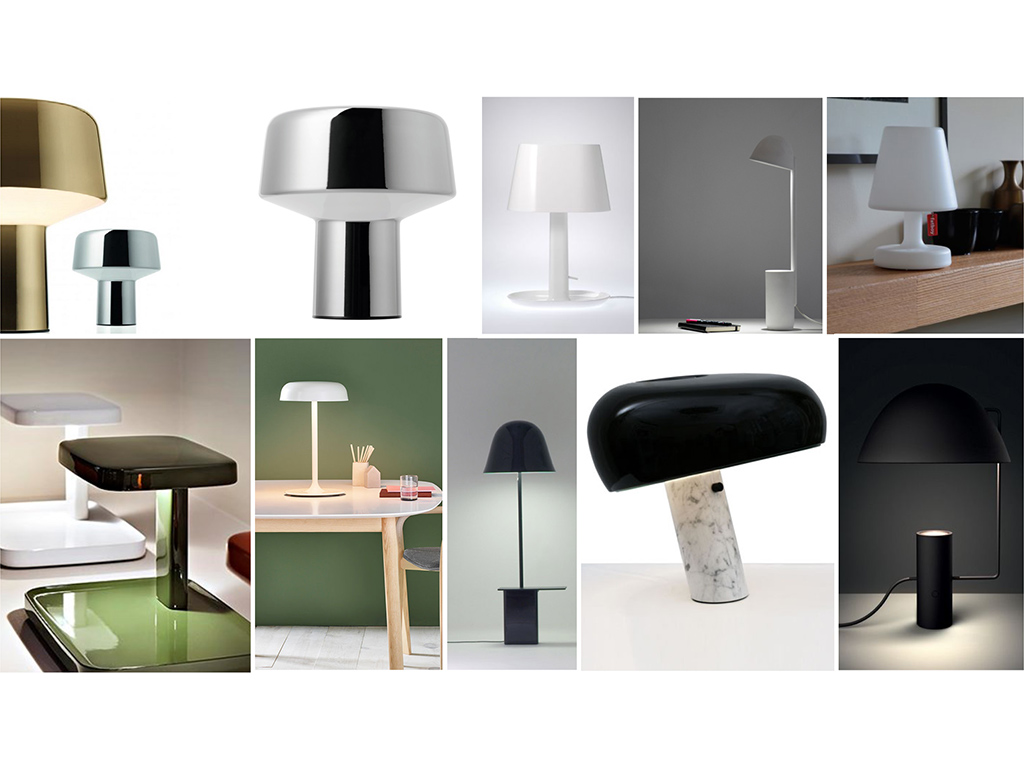
Inspiration boards
After gathering ideas in concepts, I guide and help the design team complete inspiration boards setting the right vision on the key concepts elements.
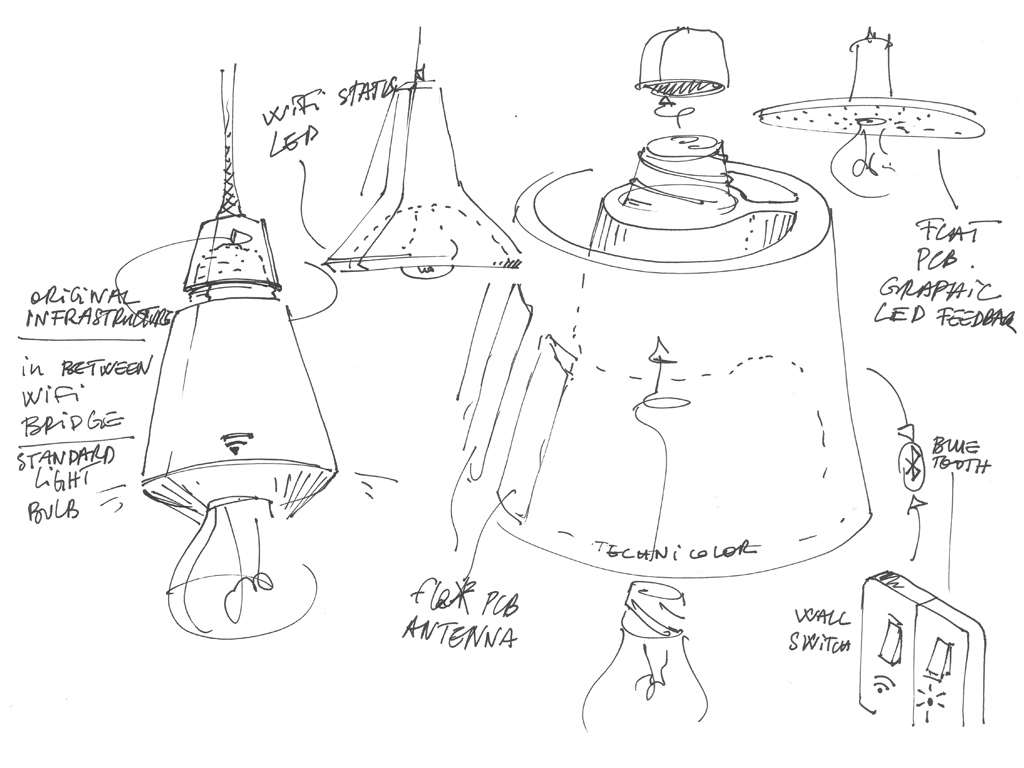
Concept sketches
After concepts and inspiration have been set up, I start exploring solutions by some sketches with the design team.
Creative technologist meeting
I always check with creative technologists how early concepts might practically work.
This is very useful for both prototypes and R&D development.

Quick mockups
Having a strong experience in mockup making, I guide trainees and junior designers when producing promising concepts representations.

Concept presentation
3d modeling and rendering tools helps going more precisely on the the concept vision. (Rhino, SW, Keyshot)
I usually set the expectation level with one concept and guide other designers to get homogene designs.
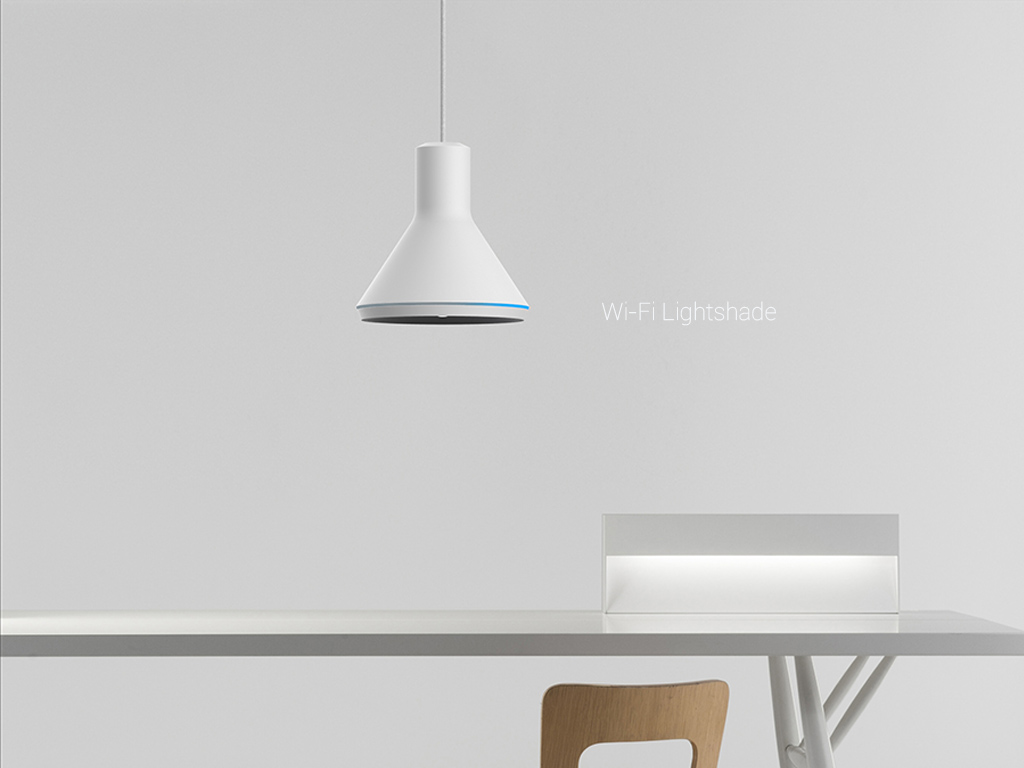
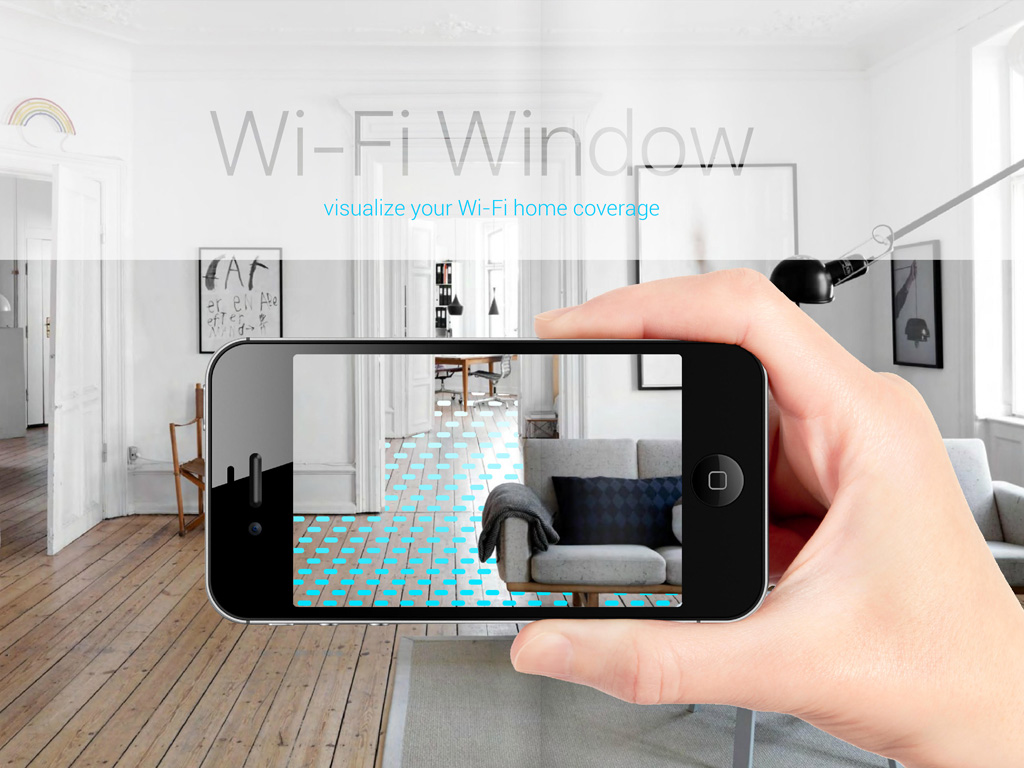
User experience scenarios
Even if in many big companies, UX and ID are led by different entities, I always chose to work at design offices that do both.
In my opinion UX and ID can’t be separated, they are parallel worlds that fits toghether.
I have proven many times that being accountable of industrial and interaction design is an important aspect to reach a relevant consistency.
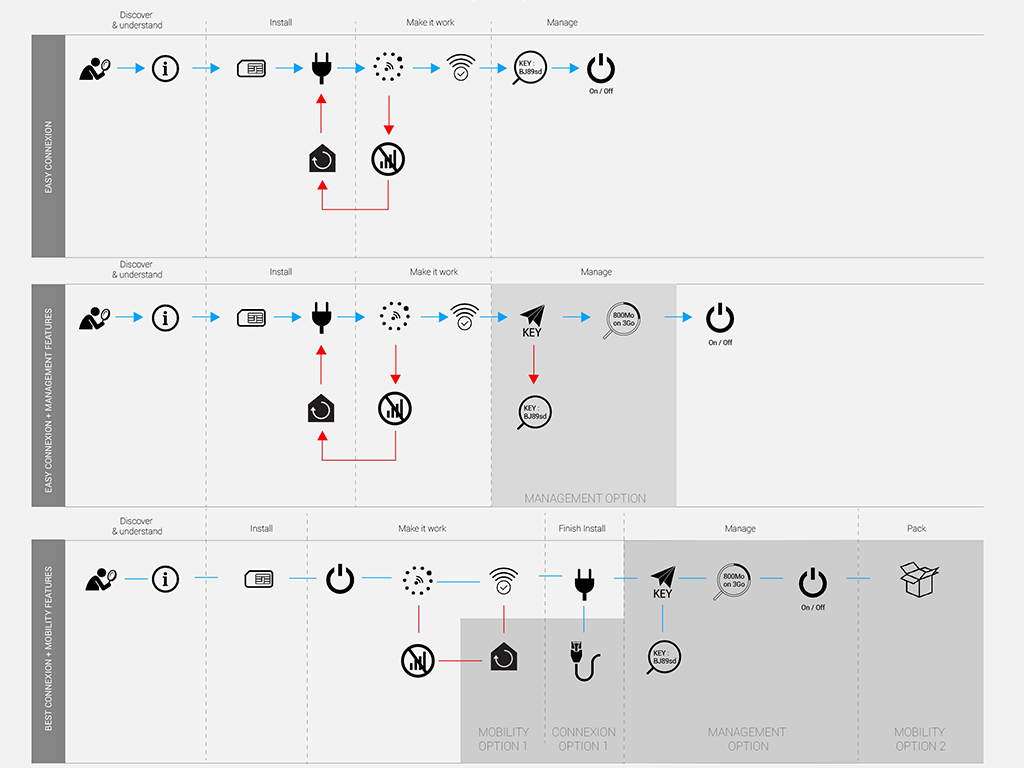
Product interaction diagram
Once the user experience flow is defined, I lead a workshop to build up the product’s software architecture.
This step is really appreciated by SW engineers to make them understand and review the global product’s interaction.
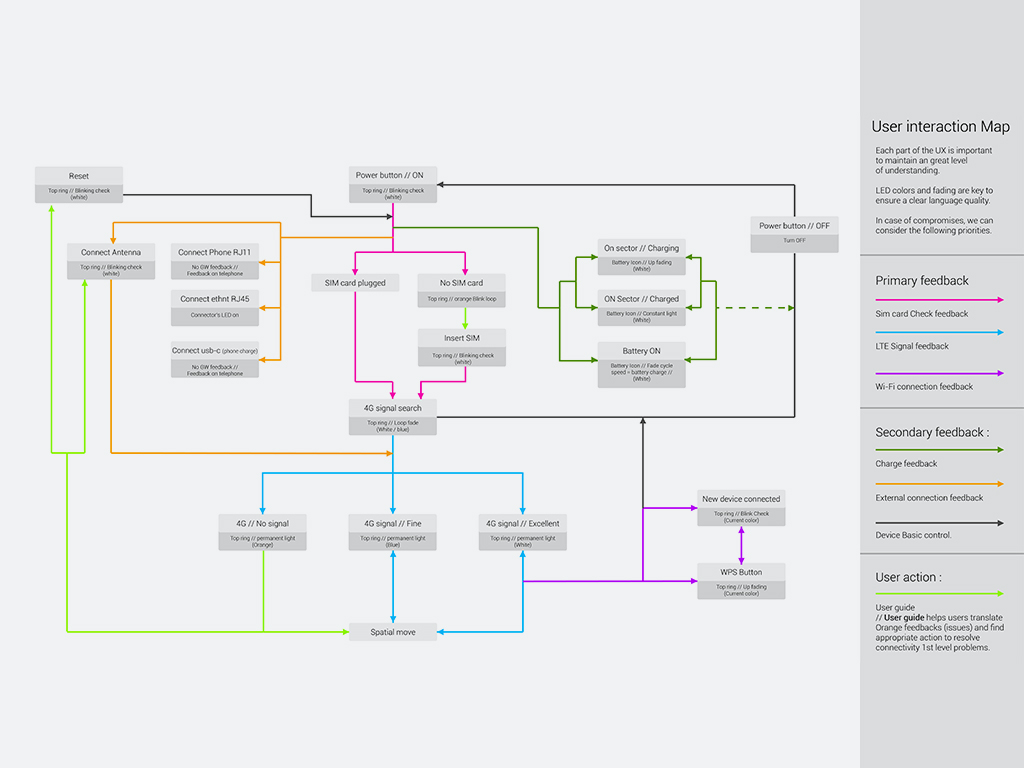
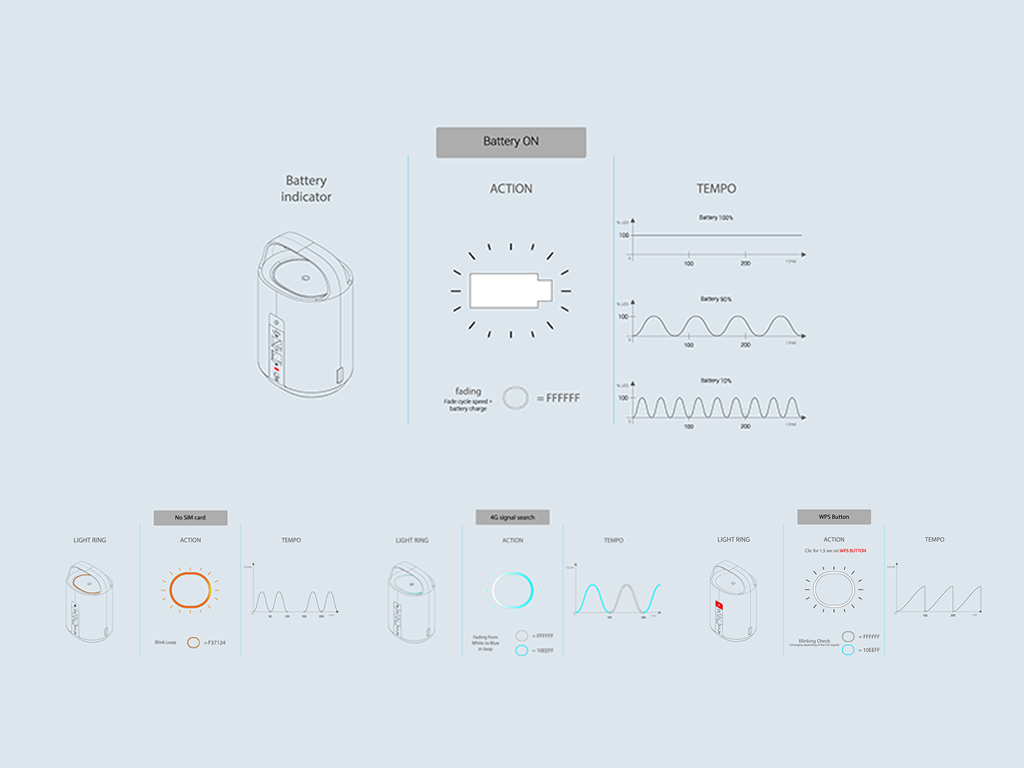
Interaction behaviours specs
Going deeper in the coding specifications and effects, I set numbers of workshops about the behaviors of every interaction.
I give juniors and trainees the opportunity to prototype and formalize the interactions that will be realized by the creative coder until we define the right elements.
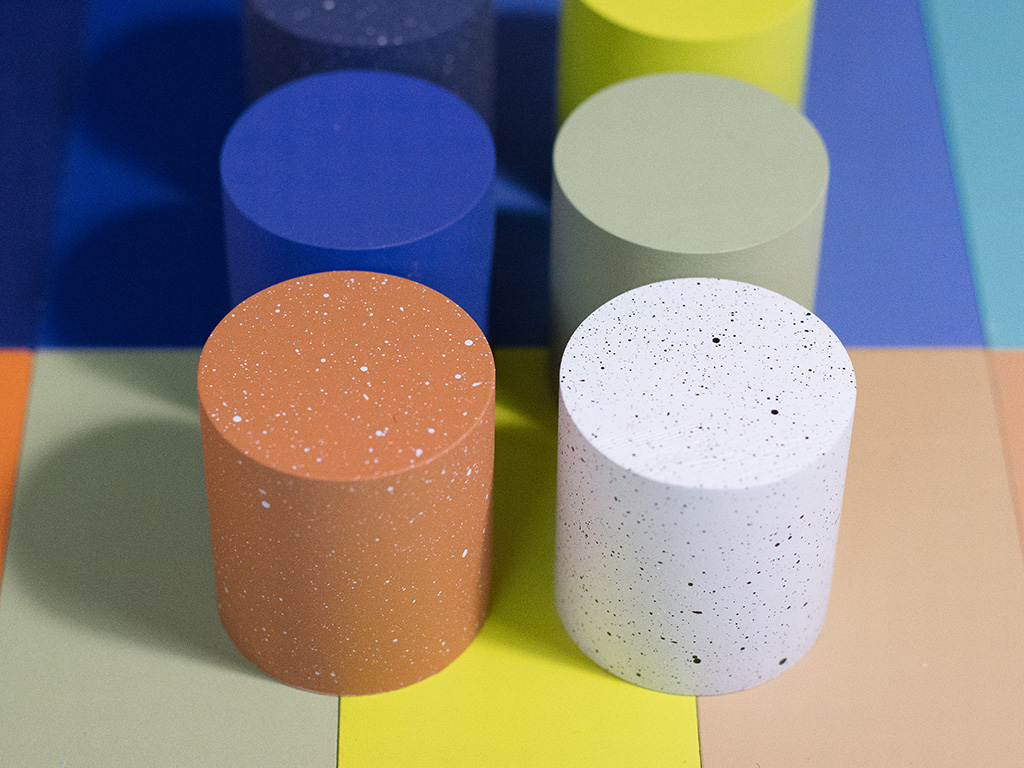
Color Samples
From the product’s philosophy and its relationship to the environment of usage, I lead the color research direction.
Here some sample experiments on using plastic for its mineral aspects that is appropriate in the home area.
Artworks & CMF
Once interactivity and materiality are mature, I finalize execution documents for mockup makers.
I help more and more and encourage juniors handling this critical part of the product development.

Experience Mockups production supervision
I handle every aspects to get the real product experience illusion by:
Finding the right prototyping partners, establishing a good relationship, mapping schedules, planning iterations for critical areas, contengency plans and so on.
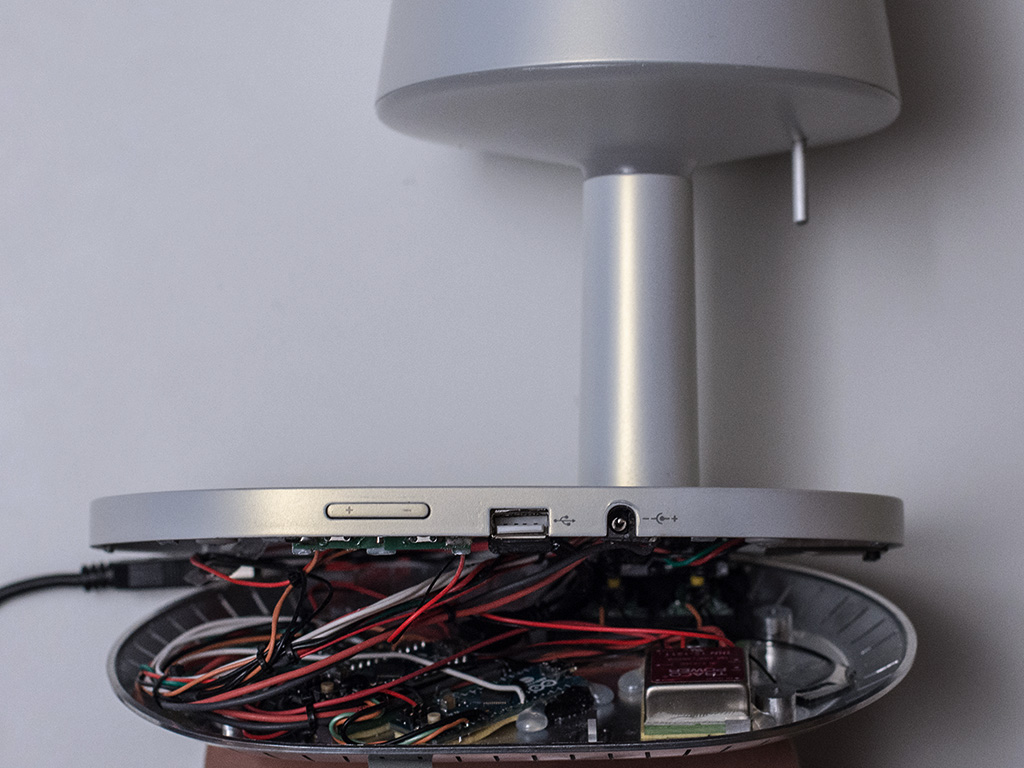
Coding follow-up (with creative technologist)
After the mockup is received, I follow up the code transfer and direct the fine tuning with the creative technologist to get the best blend between digital and physical.

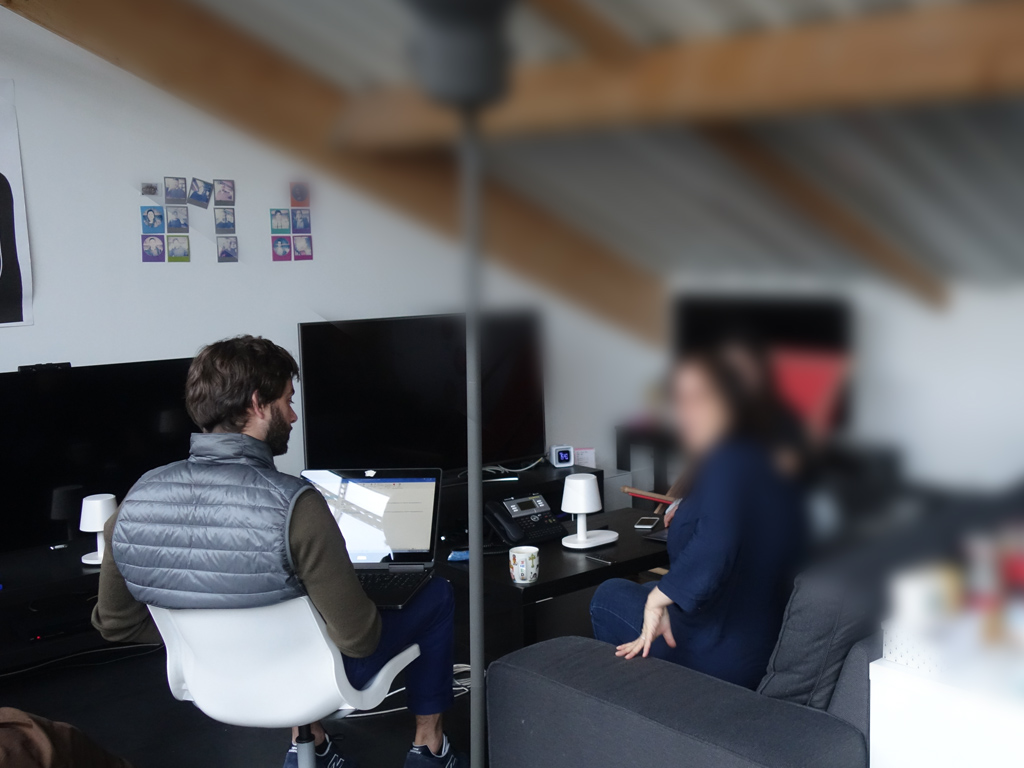
Probes user testing (with User researcher)
Digital or physical mockups really helps users envision the experience created.
This step is crucial to make rational decisions based on user understanding.
I often ask the support of user researcher to lead the tests so I can be fully observing.
Intuitive actions, inarticulable feelings might be crucial aspects for the project direction and I believe designers’ eyes are trained to catch it.
Mechanical + Design iterations
Here is a tough work about turning initial design intents in a fully functional product sample while keeping a consistent design quality level.
Here I follow and guide engineers when it comes to find compromises or clever solutions.
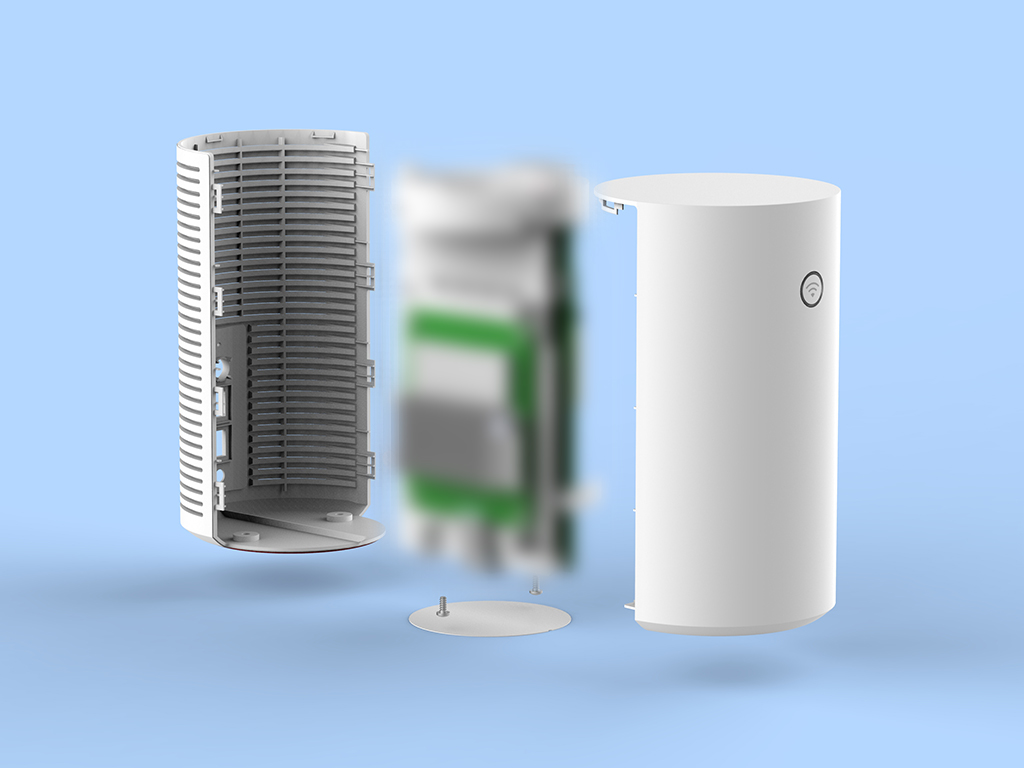
Functional Prototype review
Having the real effects and materials in hands, I track any details that need to be improved and we discuss the compromises impacts with the stakeholders.

Mechanical design Follow-up and fine tuning
Designers can make a great difference when they spend time helping engineers finding solutions to solve problems.
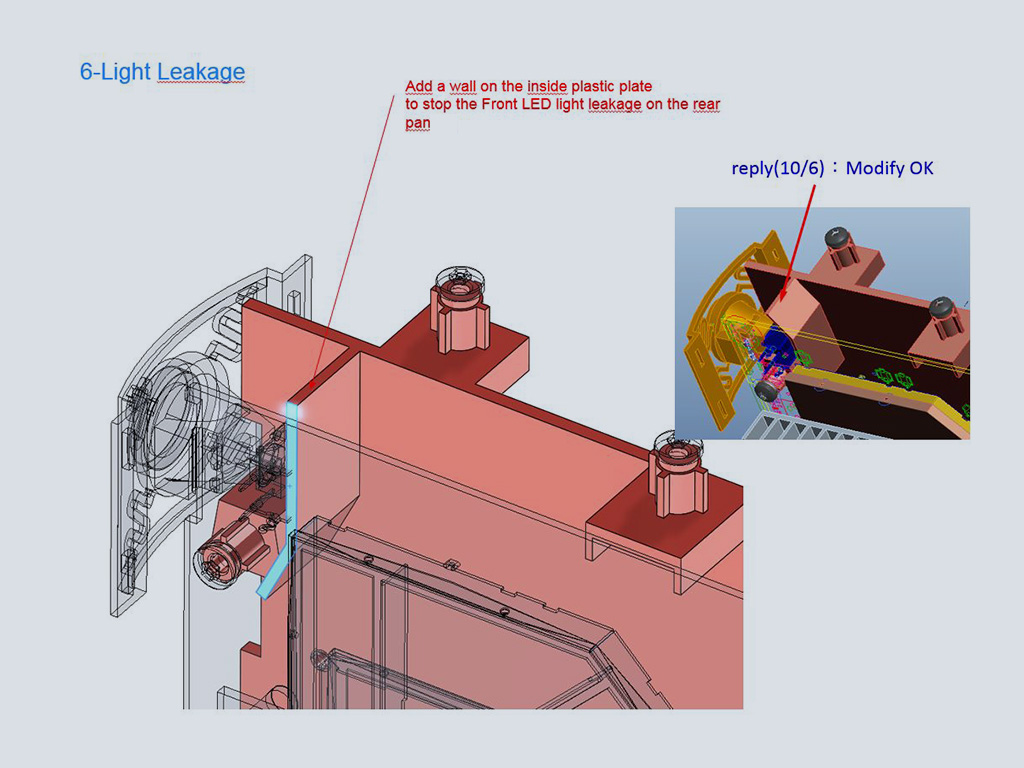
Industrial samples qualification
Over and over through the diverse samples, I follow that the materials, colors, translucidity, gaps, surfaces and subtle details are implemented before the final production.
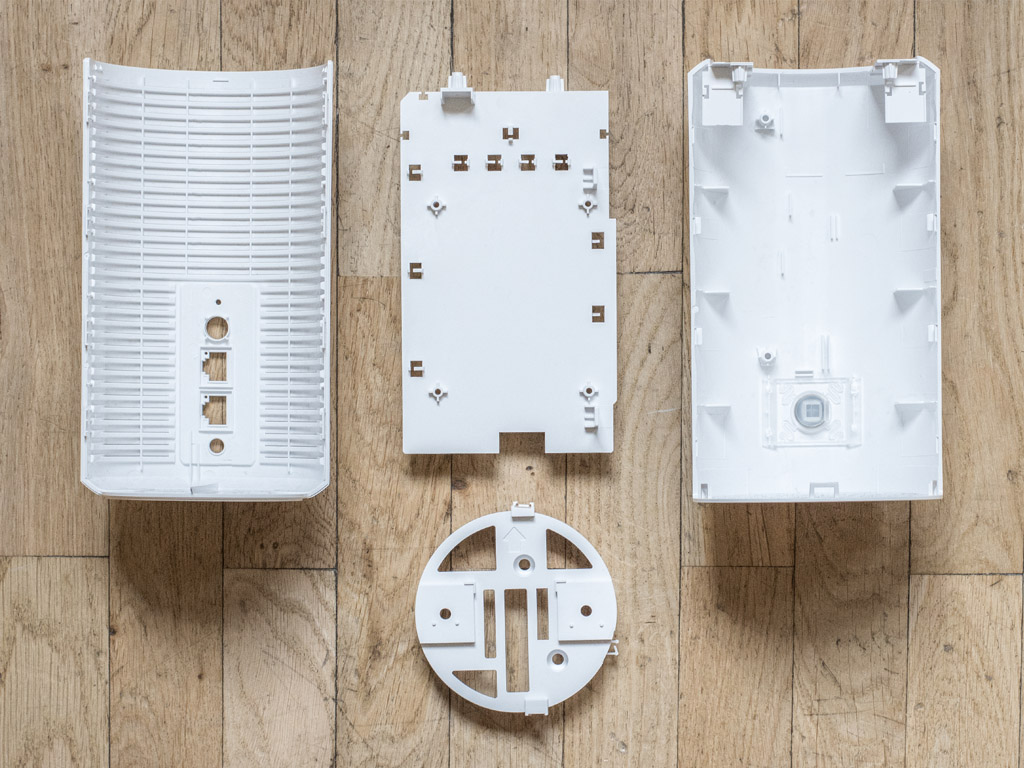
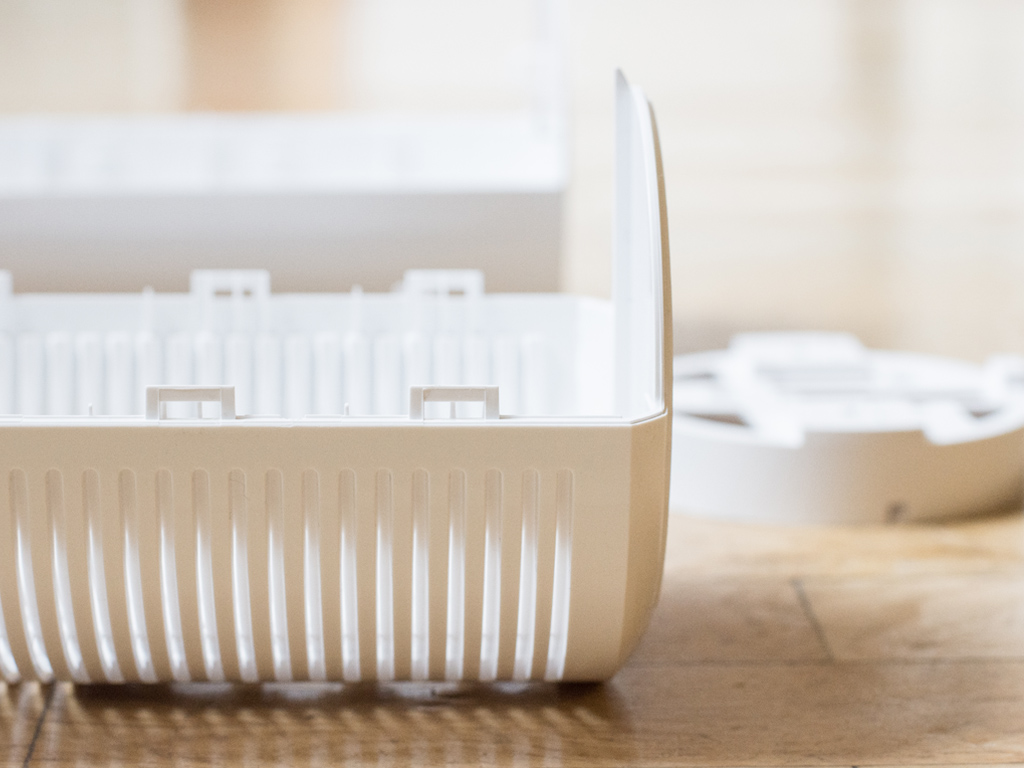
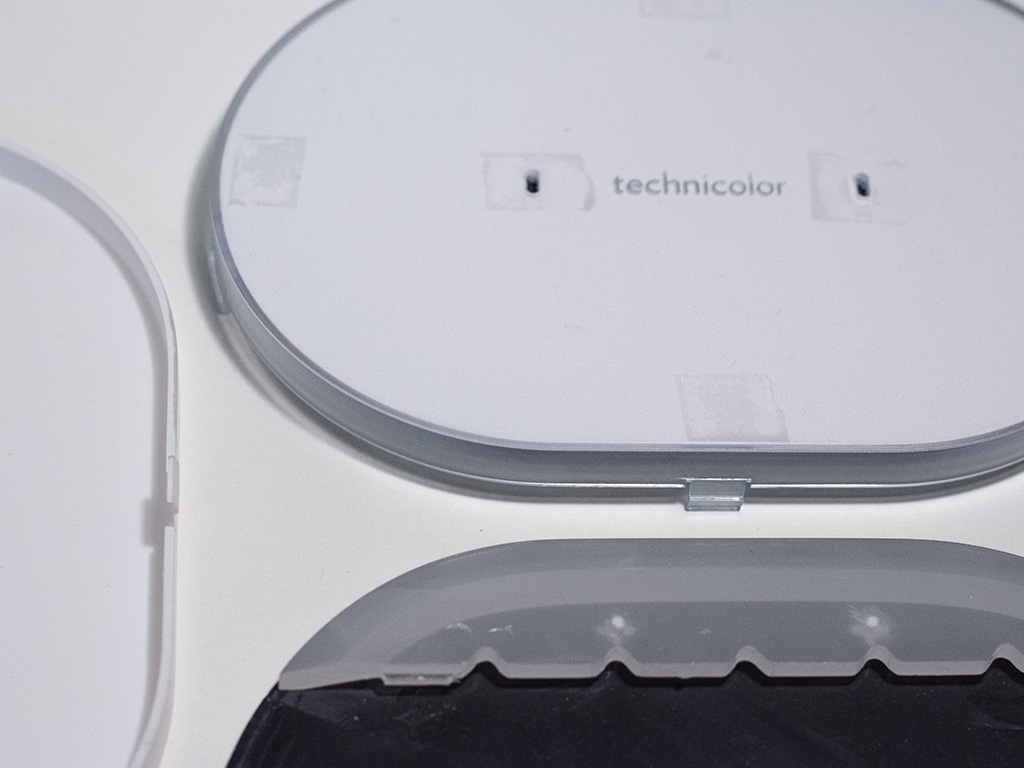
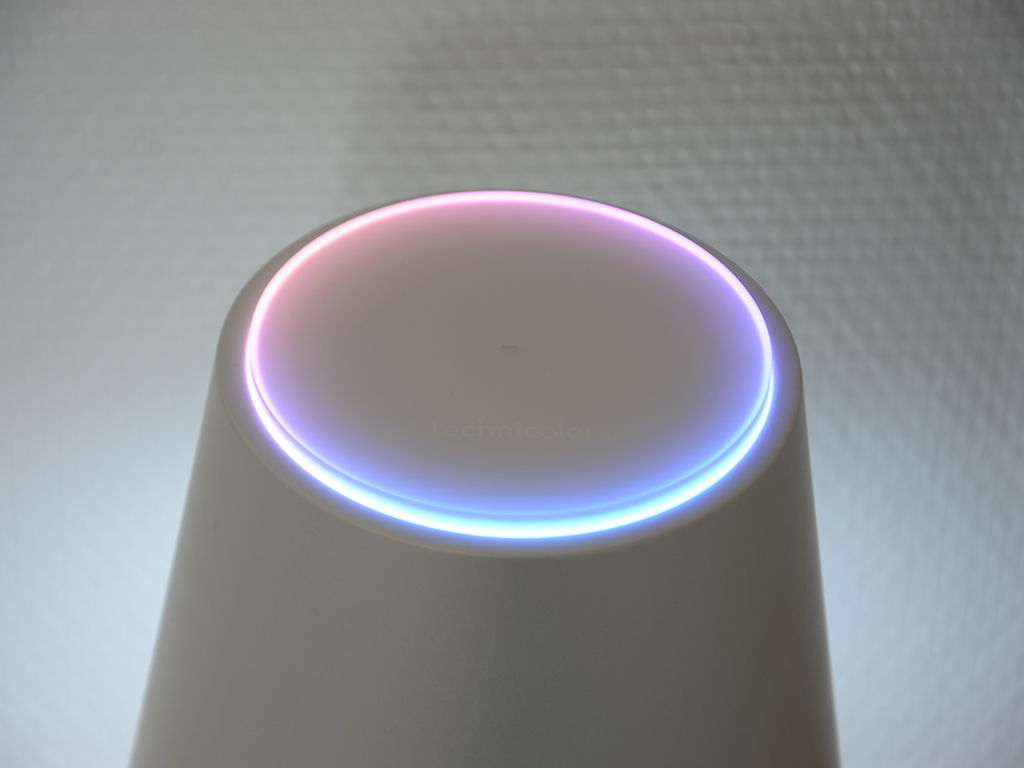
Photo shooting
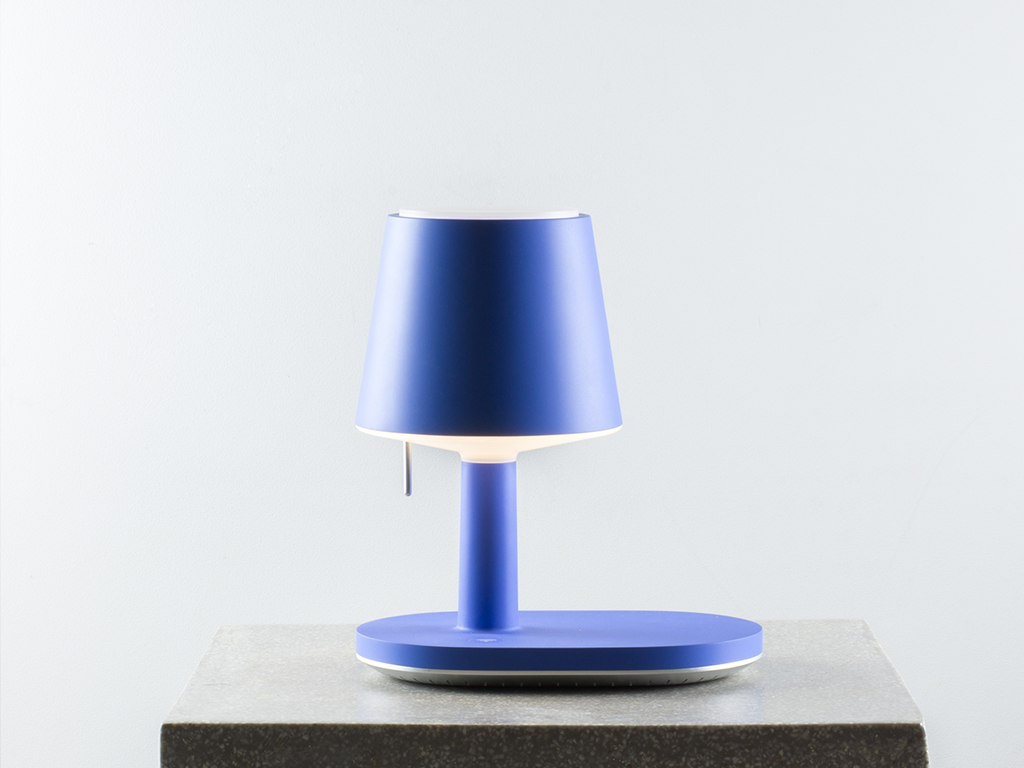
Spending so much time developping a product, I believe that the designer have a clear idea of how representing the products under its best form.
I have always been attracted to photography and I manage shooting by myself most of the time.
Video direction
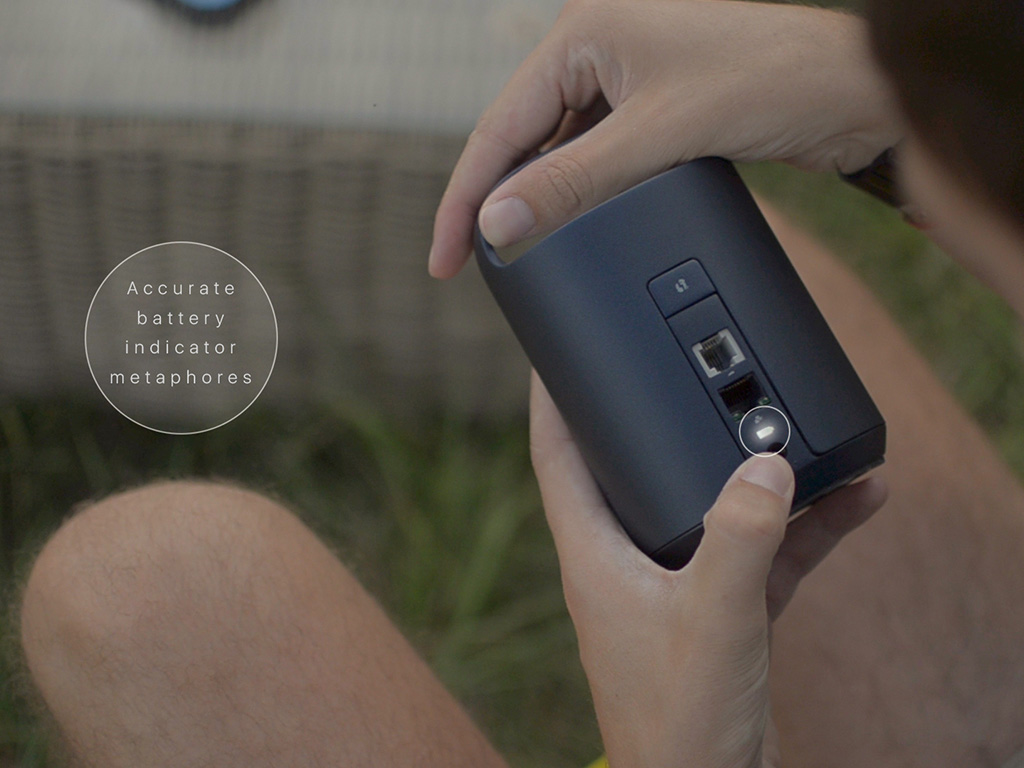
Since a few years, I take the responsibility of the product presentation videos as a final synthesis design work.
Who has the global view of the of the product’s best attributes and purposes other than designers ?
Reward
My personal best reward is when I see people using the products in the real life and the company is having good sells.
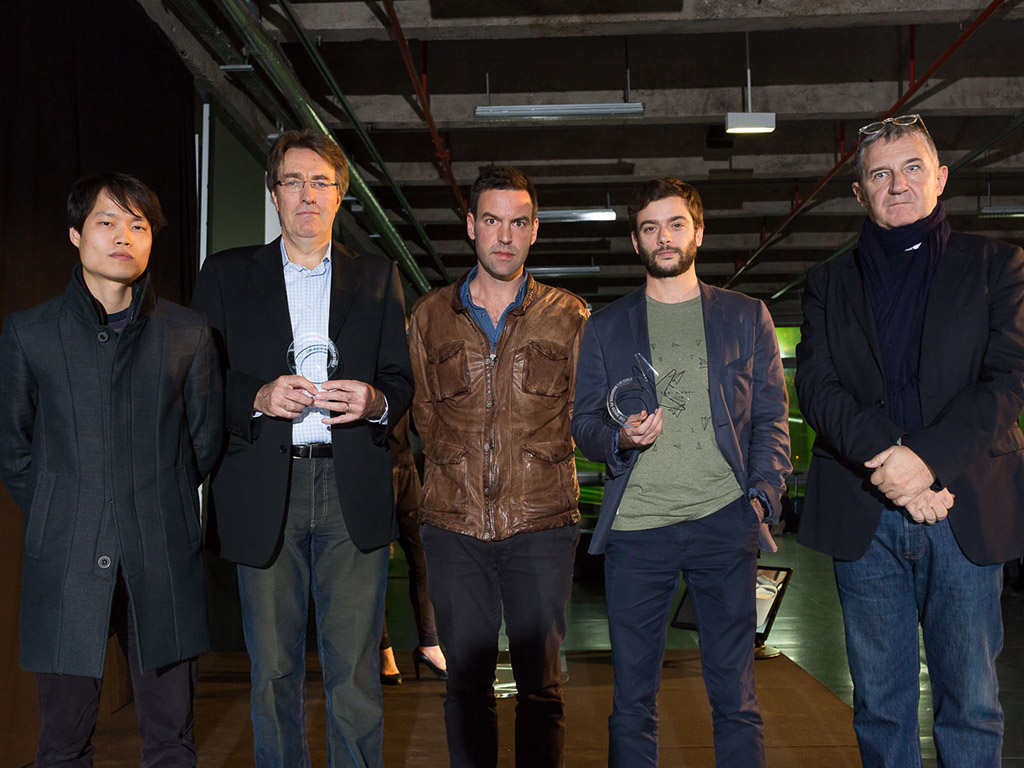
But sometimes, having our design process recognized as a good design practice helps the design office gaining trust within the company.